Opinion: Saved by the Pub
Tristan Searight for Here & Now

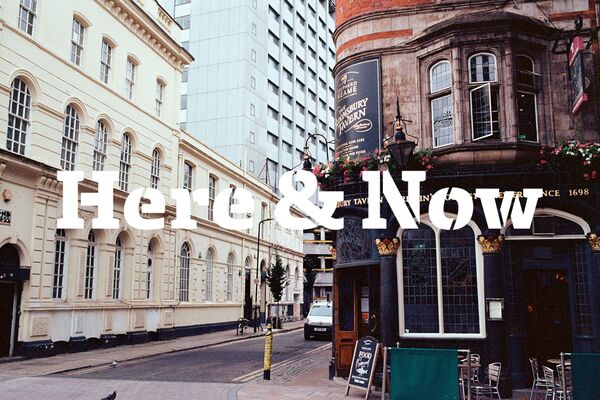
Tristan Searight makes the case for the pub as a vital piece of community and public health infrastructure, not just a nostalgic social space or a dietary problem to be managed. Perhaps, Searight argues, we should focus not only on what, but how, we eat. Planning policy makers take note.
Food places have always been antidotes to social isolation. In the U.K., pubs have connected strangers and solidified friendships. Though cliché, after living in the U.S. for six years and studying food environments, I have come to appreciate the pub, not just as a space of tradition, but as a vital part of community infrastructure. As our planning system moves to protect pubs’ social value, we should use this momentum to meet wider community needs, particularly public health.
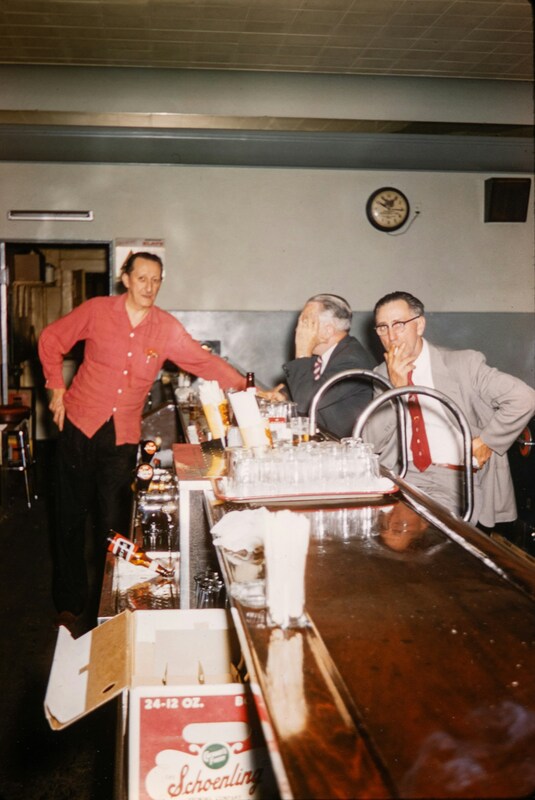
The community success of pubs is not accidental. From their position on the street corner, to the layout of bar furniture, pubs offer social choice and an informal flexibility that makes them the beating heart of local connection. Pubs express privacy and intimacy, while occupying the public sphere, a quality David Knight and Cristina Monteiro of the design firm DK-CM describe as being “redolent of home whilst offering something fundamentally social and shared”1.
Pubs provide an essential social catalyst: food and drink. With their foundations in drinking and scant healthy options, pubs have been scrutinised as the enemy of public health. This puts pubs in hazardous waters as cities aim to shift people closer to a flexible, healthy and environmentally sustainable "planetary health diet”—mostly vegetables, whole grains and plant-based proteins, and limited sugars and red meats2. From a dietary perspective, pub menus are not much better than takeaways, which are currently being regulated in cities like Bristol3, nor would they qualify for the tax incentives offered to healthy grocery stores in New York City4.
Yet, this nutritional focus highlights a significant blind spot in urbanism. While we are increasingly focused on regulating what we eat, we overlook the importance of how we eat. Much of our daily social connection is anchored through meals and eating together. The importance of regular social interaction couldn’t be more clear; people with strong social bonds are happier, healthier, and live longer than those who are isolated5. A quarter of adults in the UK often feel loneliness, and alarmingly, young city dwellers like myself are experiencing loneliness and isolation more than older generations6.
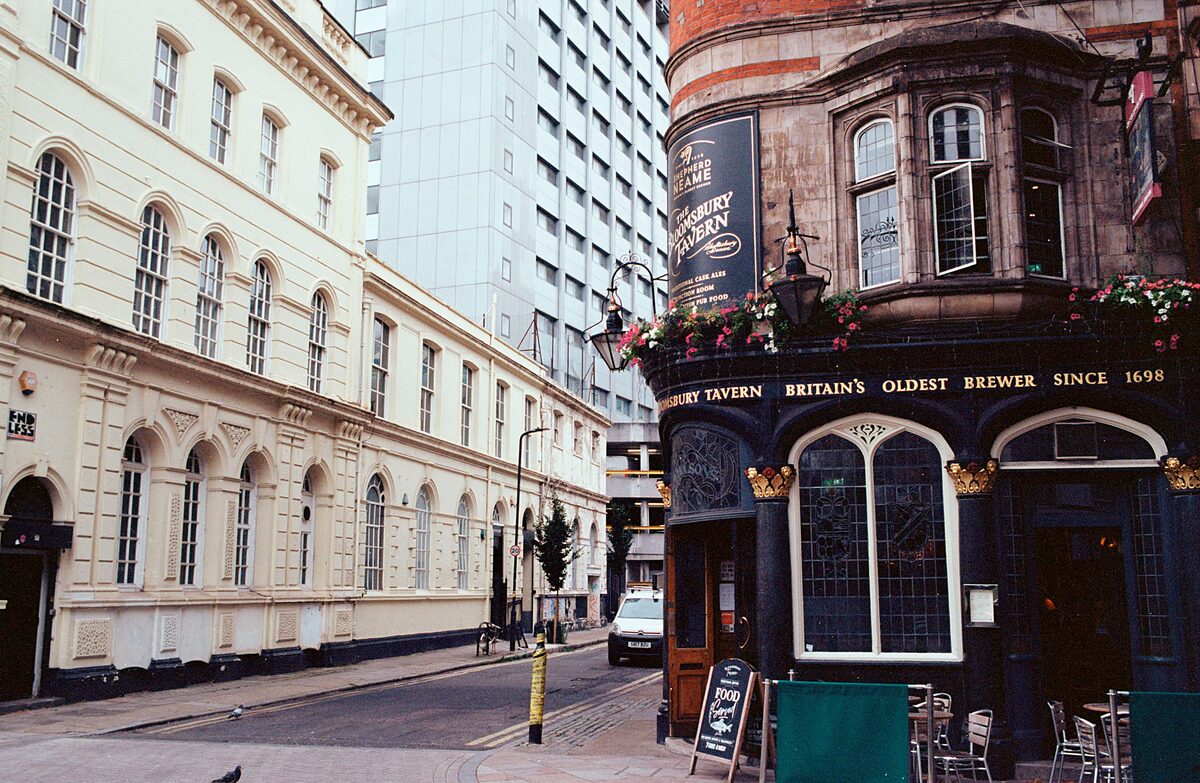
To tackle this dual challenge of dietary health and social isolation, we shouldn’t simply protect pubs, we should also support their evolution as healthy social hubs. Recent legislation is a step in the right direction. The government’s new High Street Strategy provides tax relief and protects pubs if they are the last community hub in an area alongside future intentions to make it easier for them to expand or add guest rooms7. These looser rules respond to DK-CM’s call to move beyond simply keeping pubs alive, and instead removing barriers so a pub can “deliver what its community needs.”
The intricacies of delivering healthy, socially active high streets, while protecting pubs should not be overlooked. Does a supermarket selling fresh groceries take priority over an old pub? Does a coffee shop filled with people working alone on laptops serve the same purpose as a restaurant that enlivens the street? These types of questions cannot be answered if we look at pubs in isolation, or only zoom in on the nutritional consequences of food places. As Gehl Architects have argued, a healthy food environment is an intersection between food places, public space, and daily life8. It's more than just the ratio of healthy social food places to unhealthy ones, it’s about the particular ways food places interact with other civic infrastructure—like bus stops or parks—to invite social interactions. Put another way, a thriving food environment is inseparable from a well functioning public realm.
If we approach our food system and built environment as separate logistical problems, focusing simply on what’s on our plates instead of how we interact, we miss the full public health benefits they offer. The pub is poised to be a foundation of public health if they are supported in diversifying their menus and community offerings, keeping them relevant to new audiences while aligning with a city’s environmental goals. Keeping pubs alive and transforming public health are the same mission. By widening our planning lens to treat pubs, food places, and the public realm as an interdependent system, we can ensure the essential spaces of our cities fulfil their role of bringing us together.

Tristan Searight is an urban designer at OverUnder in Boston, MA. His work focuses on the spatial dimensions of urban food culture.
1dk-cm.com/dkcmessay/how-to-save-the-pub
2 c40.org/what-we-do/scaling-up-climate-action/food-systems
3 bristol.gov.uk/files/documents/2235-site-allocations-bd5605/file
4 nyc.gov/content/planning/pages/our-work/plans/citywide/food-retail-expansion-support-health-fresh
6 ukonward.com/wp-content/uploads/2021/09/Age-of-Alienation-Onward.pdf
7 gov.uk/government/news/high-streets-to-receive-150-million-to-restore-community-pride

This article is part of the Academy of Urbanism's Here & Now series.