Introducing the 2026 Small Grants Scheme recipients
Three Young Urbanists have been awarded funding to help bring exciting, innovative projects to life as part of this year's Small Grants Scheme

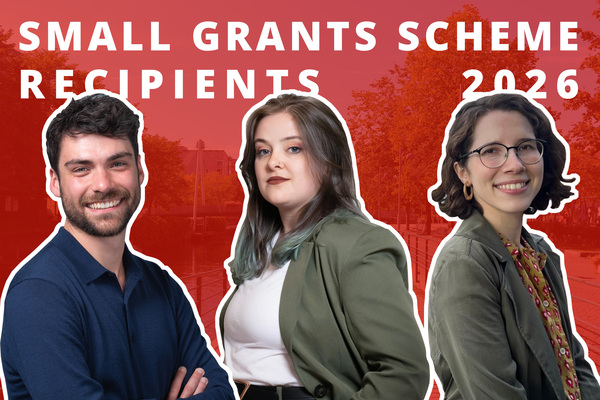
This year marks the 9th round of the Academy of Urbanism's Small Grants Scheme, awarding Young Urbanists funding to deliver inspiring and ambitious projects relevant to urbanism related issues.
For 2026 we are delighted to support three recipients - Caitlin Arbuckle-MacLeod, Harrison Brewer, and Julia Darnia - through this scheme, and you can read about their project proposals below. Reporting on each project will be available at the end of the process.

By Caitlin Arbuckle-MacLeod
Co-hosted by the Empire Café, the roundtable will invite collaborators from across the UK to discuss the spatial, economic, and ecological benefits that could be achieved by Glasgow joining the Swimmable Cities Alliance, a ‘global coalition working to restore urban waterways and make them safe, clean, and accessible for swimming’. The discussion will focus on the possibilities that joining the alliance might open up for waterfront placemaking – drawing upon precedents from other Swimmable Cities overseas, such as Sydney and Rotterdam – with the aim of demonstrating how the ambitions of the Alliance align with Glasgow City Council’s strategic and spatial goals for the city and, feasibly, encouraging the Council to sign the Swimmable Cities’ charter. Proceedings, outcomes, and reflections from the event will be recorded in an article for the Here and Now journal, helping to expand water literacy and promote knowledge on Swimmable Cities to a wider audience of urbanists.

By Harrison Brewer
Britain is on a mission to build 1.5 million homes across the country. But homes alone don’t make communities. The places that genuinely work — that people stay in, invest in, fight for — have always had something more. Not just housing, but the civic and social infrastructure that allows people to gather, organise and belong. Why then do we consider community infrastructure and urban resilience as an afterthought? This project sets out to understand what community infrastructure actually is, what forms it takes, what conditions allow it to flourish, and how we can embed its delivery in practice. The result will be a practical pattern book — a research-grounded guide for the planners, designers and community practitioners involved in on-the-ground delivery of the communities of tomorrow.
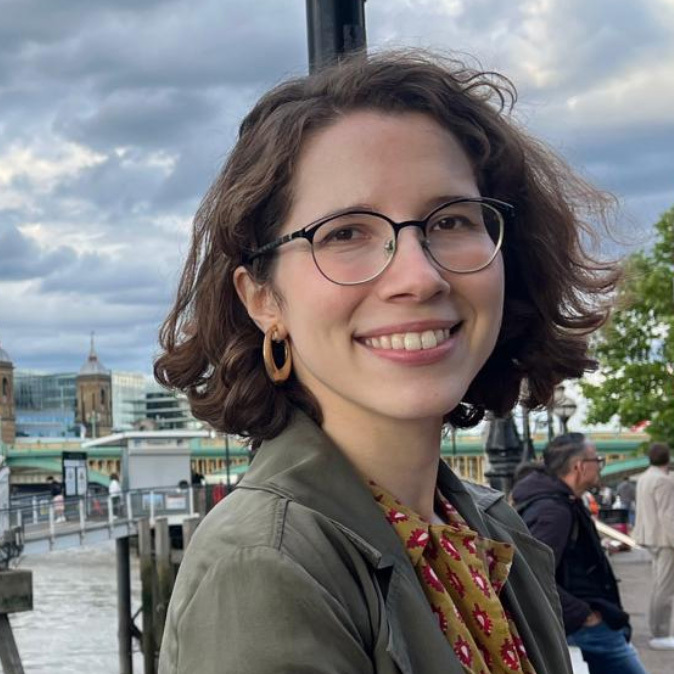
By Julia Darnia
The project aims to show how disability should not be perceived as a fixed state of a small group of people but rather a common human experience. I want to produce a series of free online classes introducing typical design issues faced by people with disabilities and explore each of the Universal Design Principles. My project is going to include a series of interviews with people with different types of disability. In my class materials, I would like to develop and include a flowchart/checklist of good accessibility practices to introduce a simple tool for understanding necessary accessibility facilities. Designers and planners have to take biodiversity and historical value of sites into consideration for each planning application. The same should be true for accessibility.
The Small Grants Scheme is made possible through funding from YU Network sponsors Space Syntax and Foster + Partners.